
Book Appliance Repairs

Buy Your appliance Spare Parts
Need appliance spares? - Buy spare parts here
Leaderboard
Popular Content
Showing content with the highest reputation since 02/27/12 in all areas
-

BEKO WDX8543130W no lights on
Aaron Gigatek and 15 others reacted to bob12241 for a topic
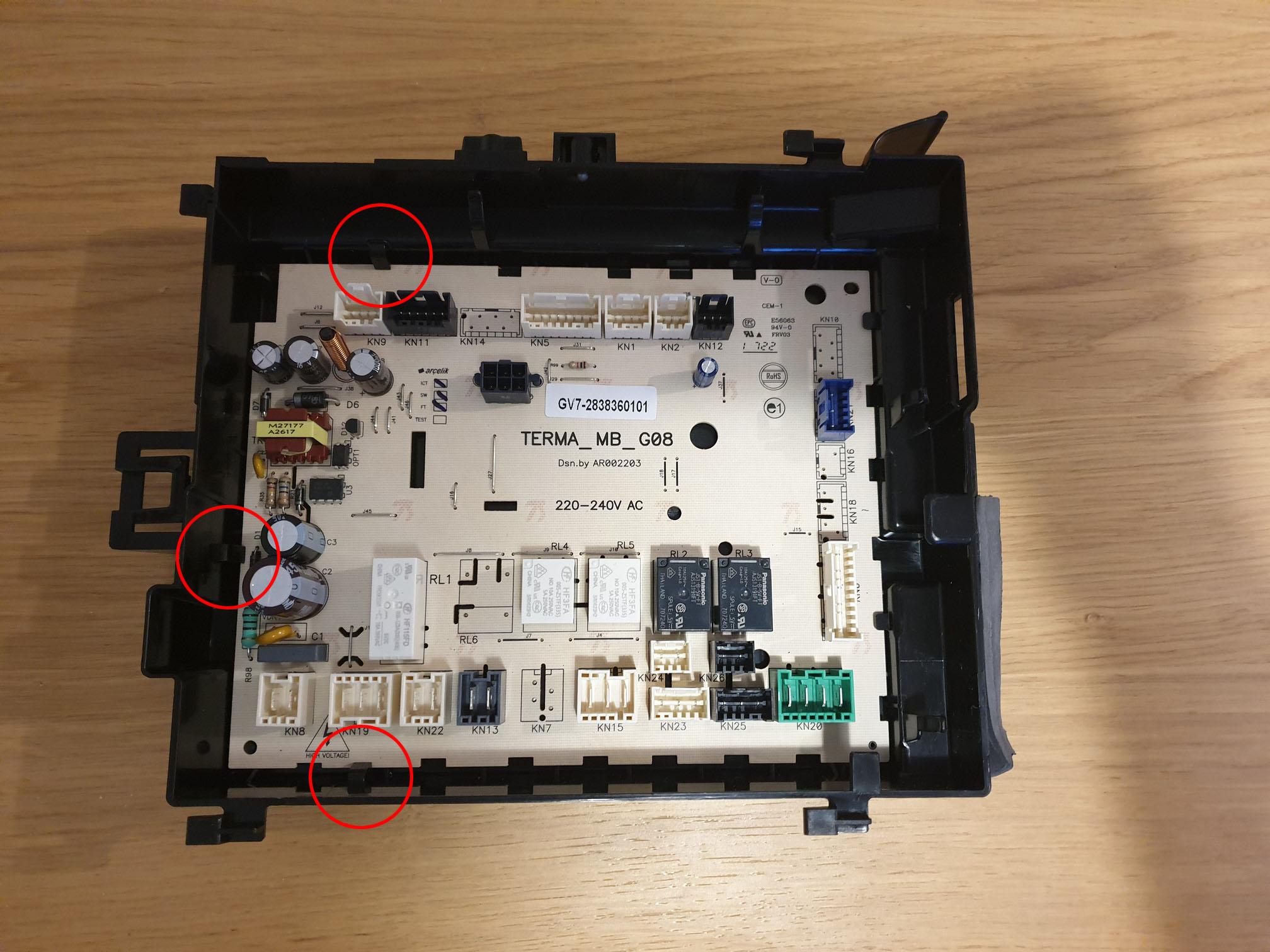
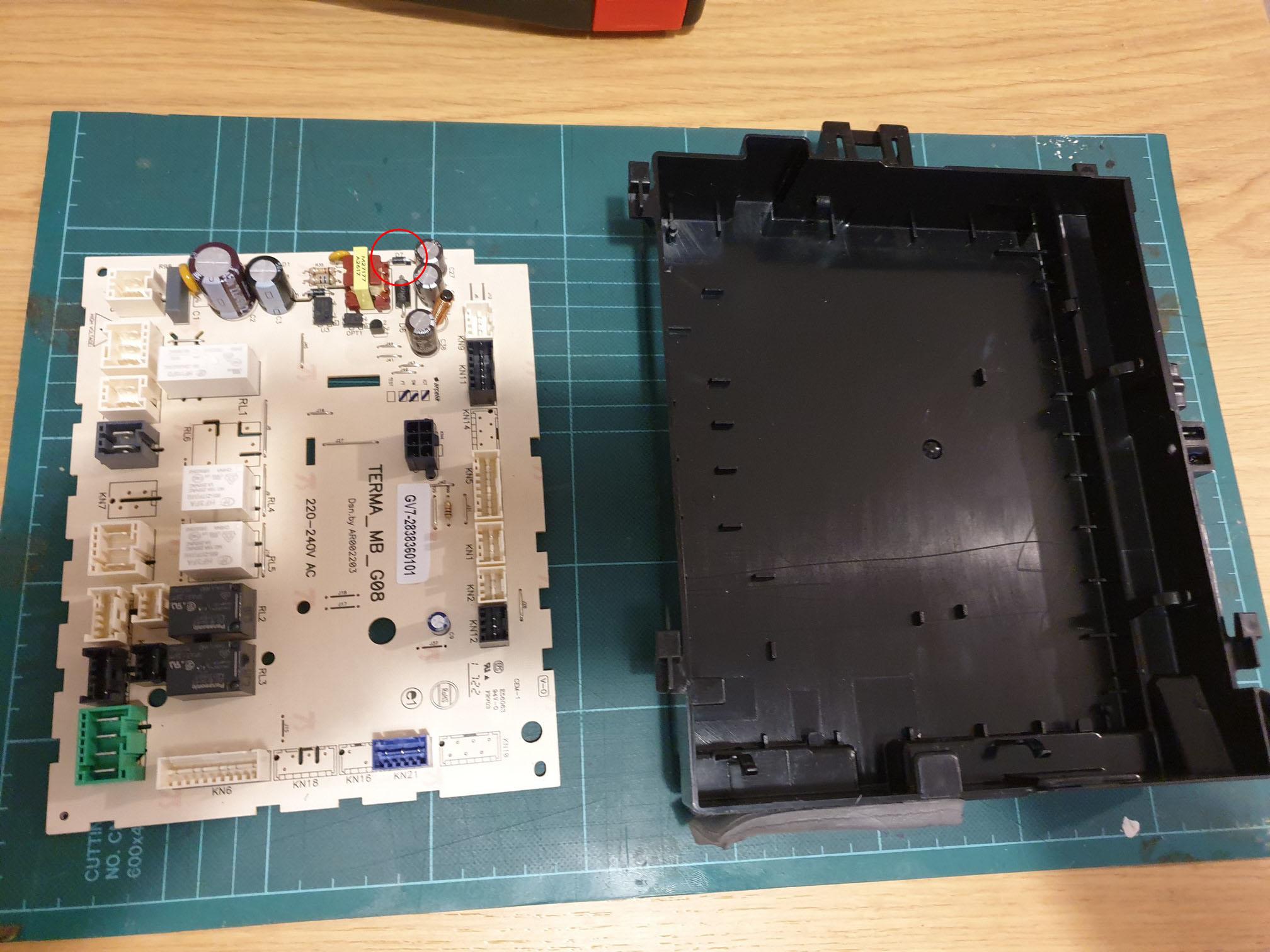
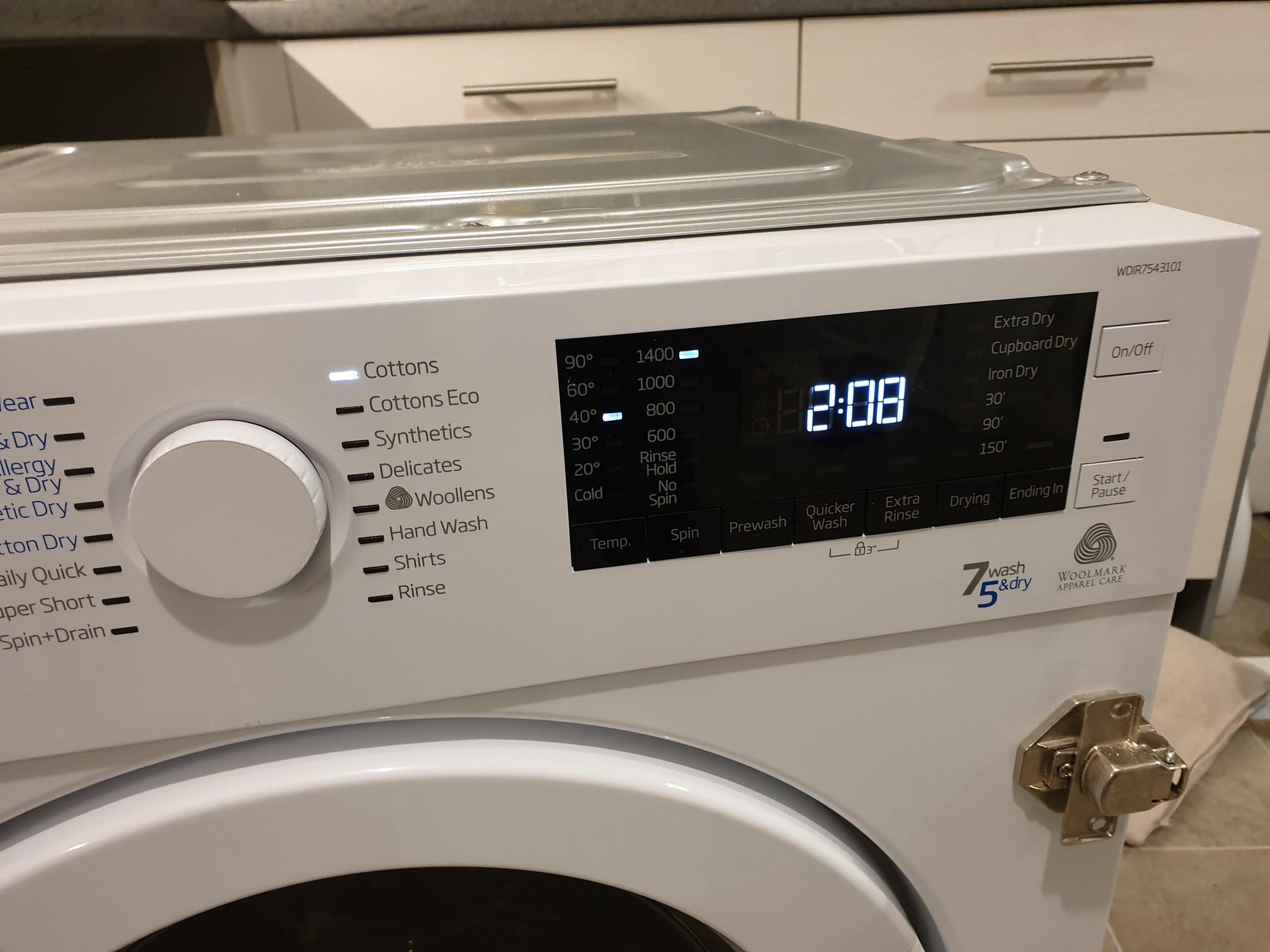
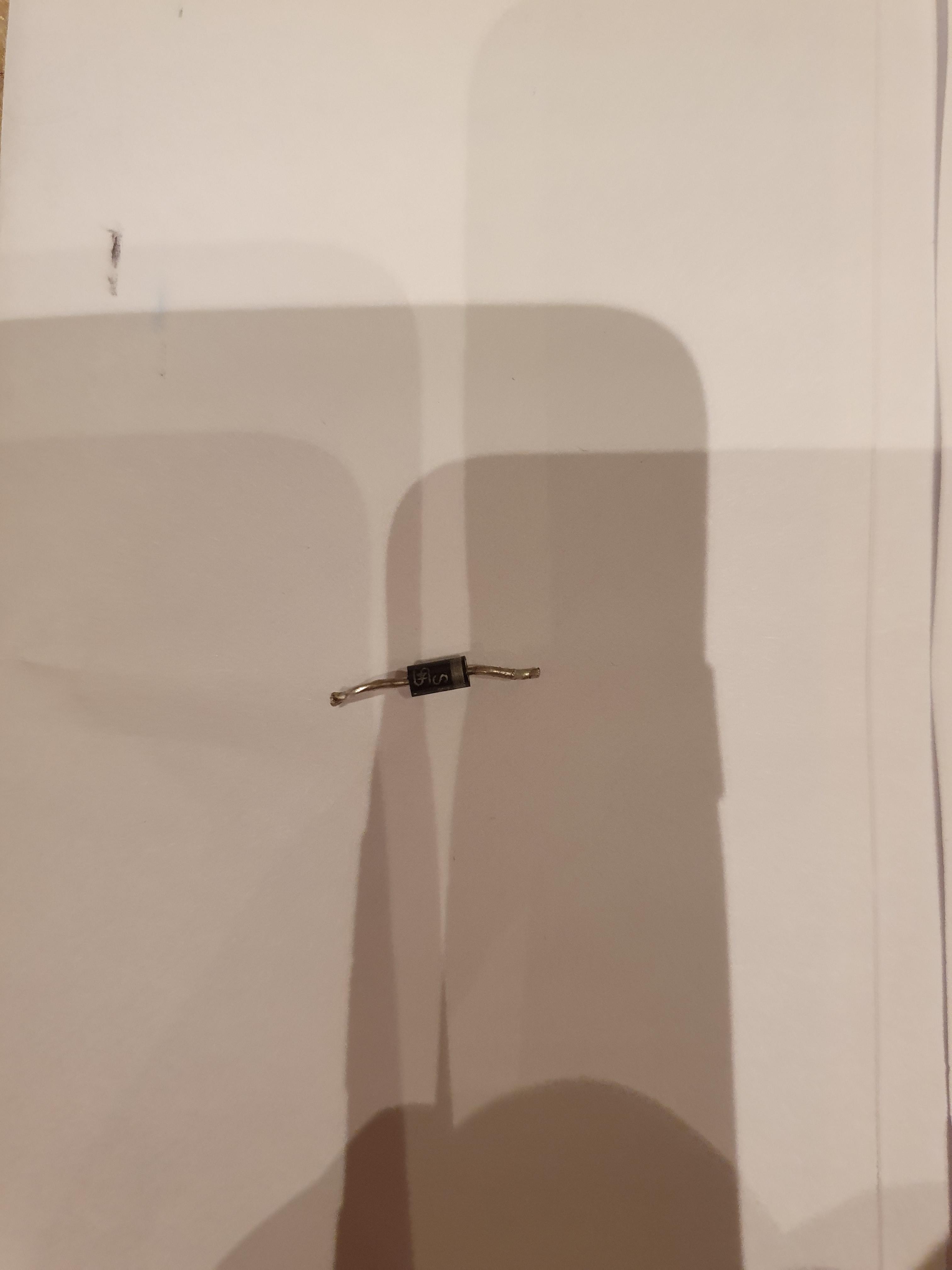
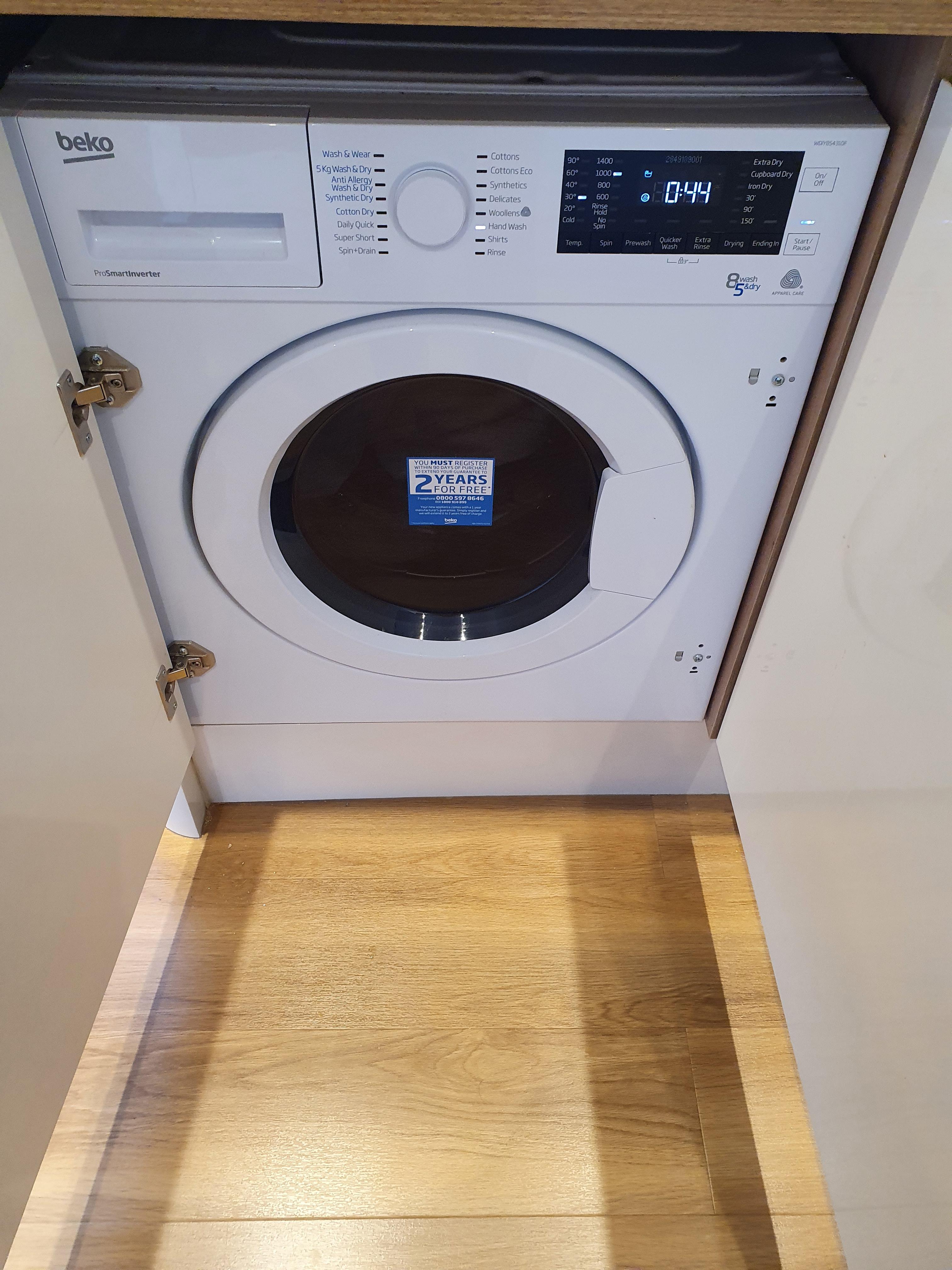
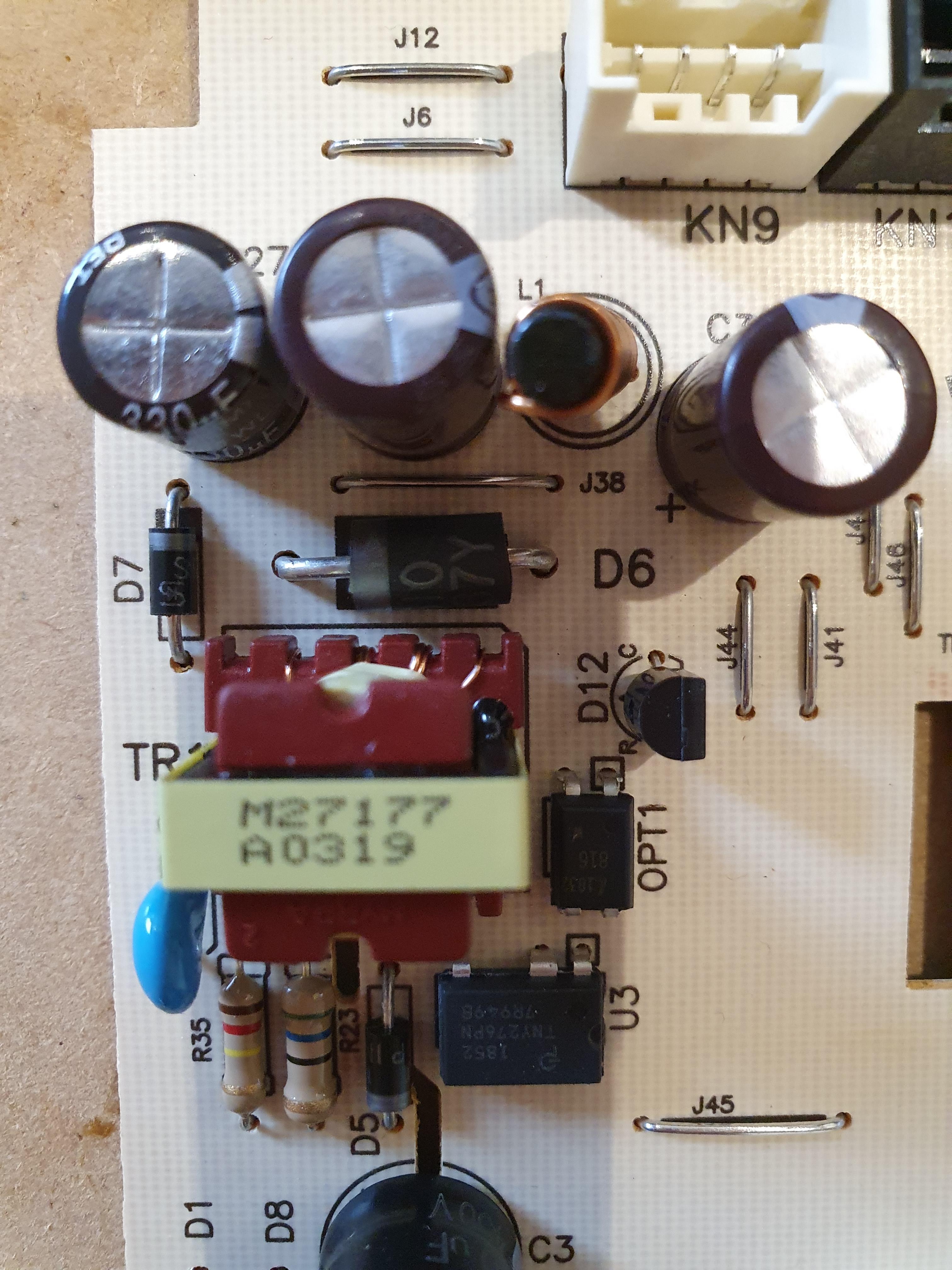
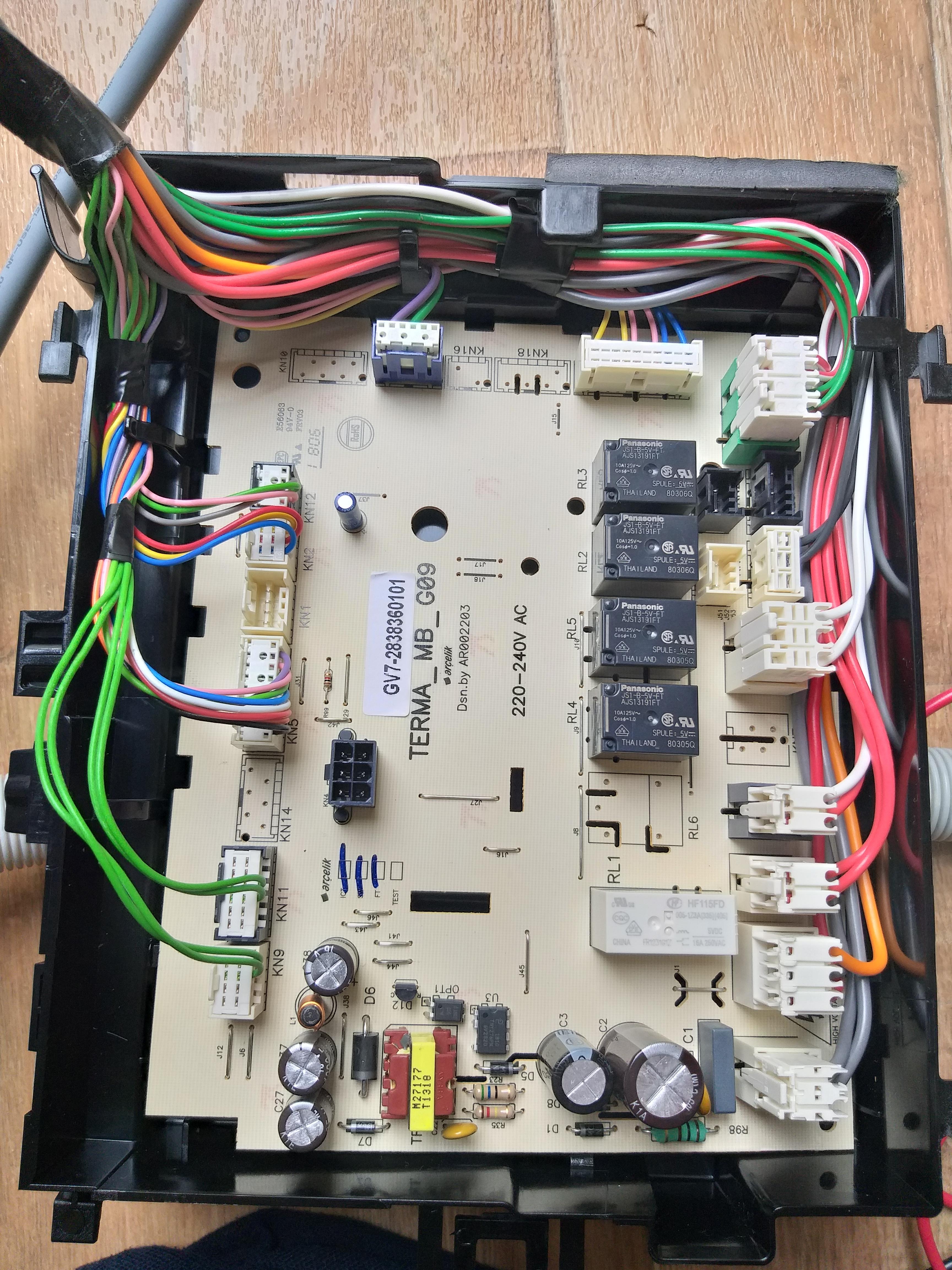
Hi, probably too late now but our washing machine, same make and model did the exact same thing. I am a qualified electrician and spent some time working out the wiring as Beko won't give the diagrams to you. I found that the circuit board on the left hand side (when viewed from the rear) is the motor speed controller (inverter), this was ok as the fault was not related. The front PCB had no lights on, but if you looked carefully I occasionally noticed that the Blue selector switch Led's were lit but very dull. The circuit board at the rear RH side is the main power supply and distribution/controller board. I found I had 240v at the input to the board but couldn't find any voltages elsewhere. I took it out and did some tests, I found a diode had blown, after replacing this with an uprated diode everything was working. Total cost £2.05 with express delivery included. I have pics of the boards and location of the diode if required. Regards Rob Other models affected include WDW85140, WDIR7543101, and Blomberg BWD384W0 EDIT Picture of mainboard attached. Diode that had blown was D7 located just above and to the left of the transformer in at least 2 cases. Board is located at the rear on the bottom right hand side when viewed from the rear. Diode rated at 100v 1A, changed for 100v 2A, I chose a STPS2h100 as its size was the same. 16 points
 -
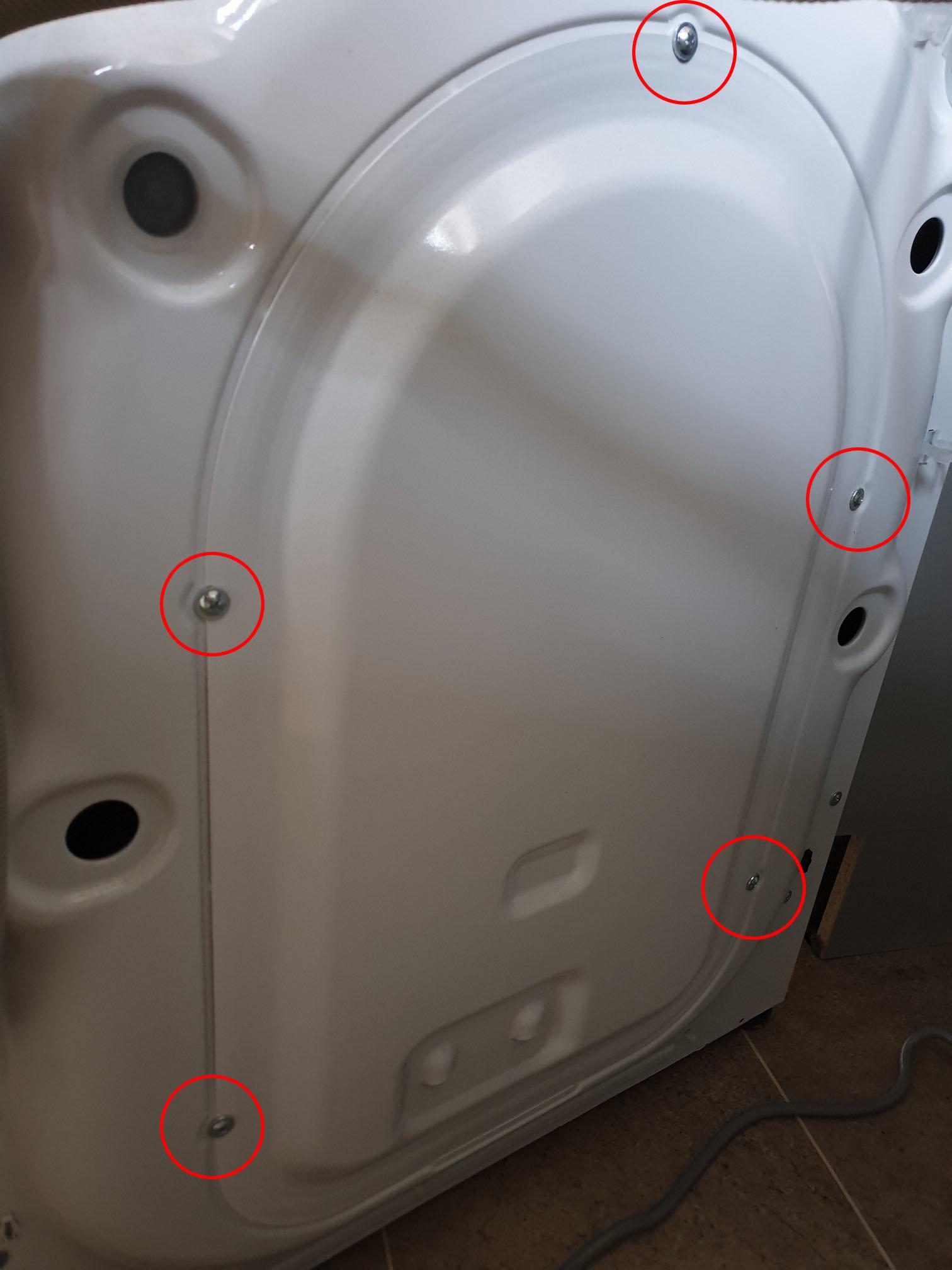
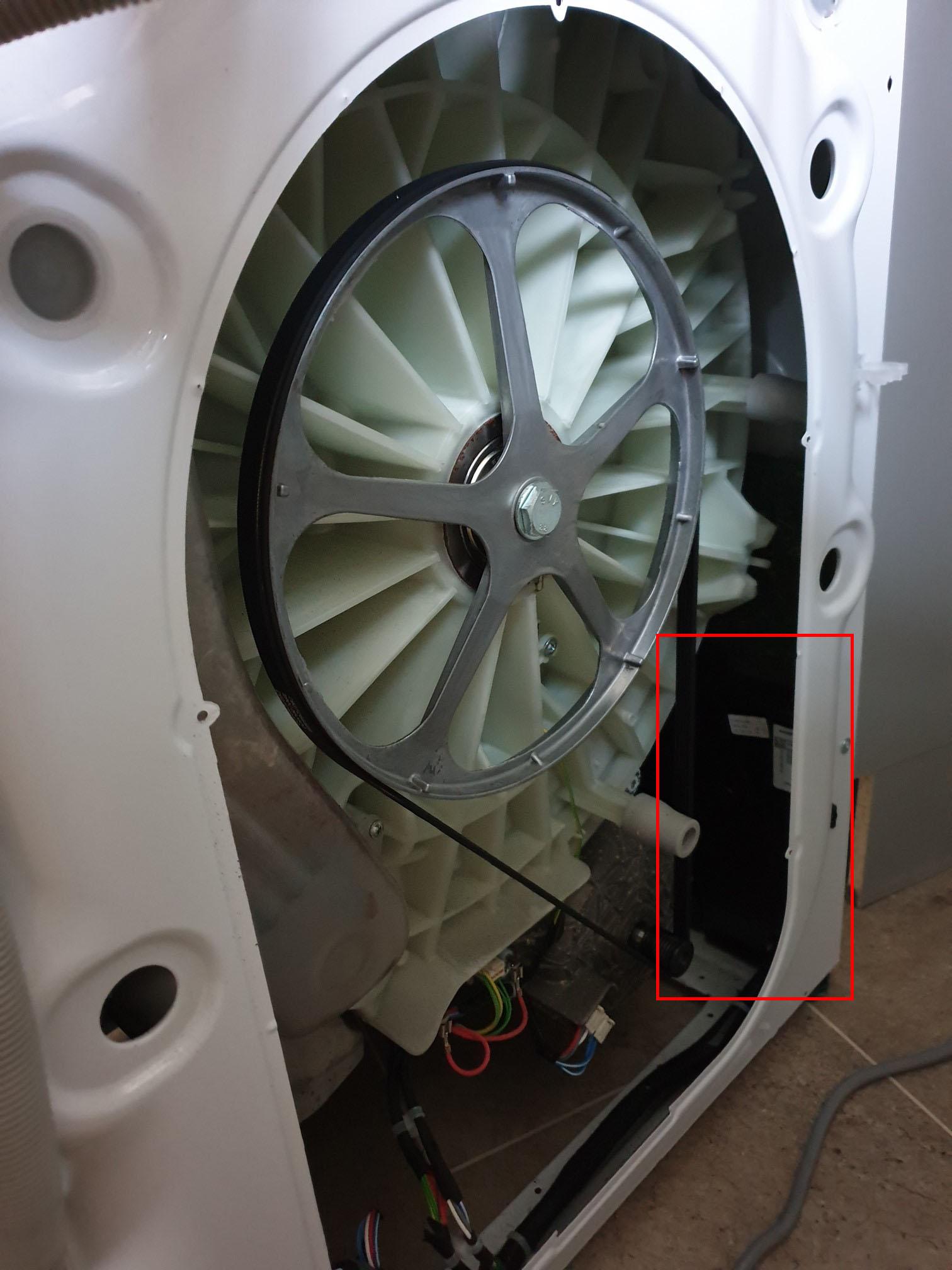
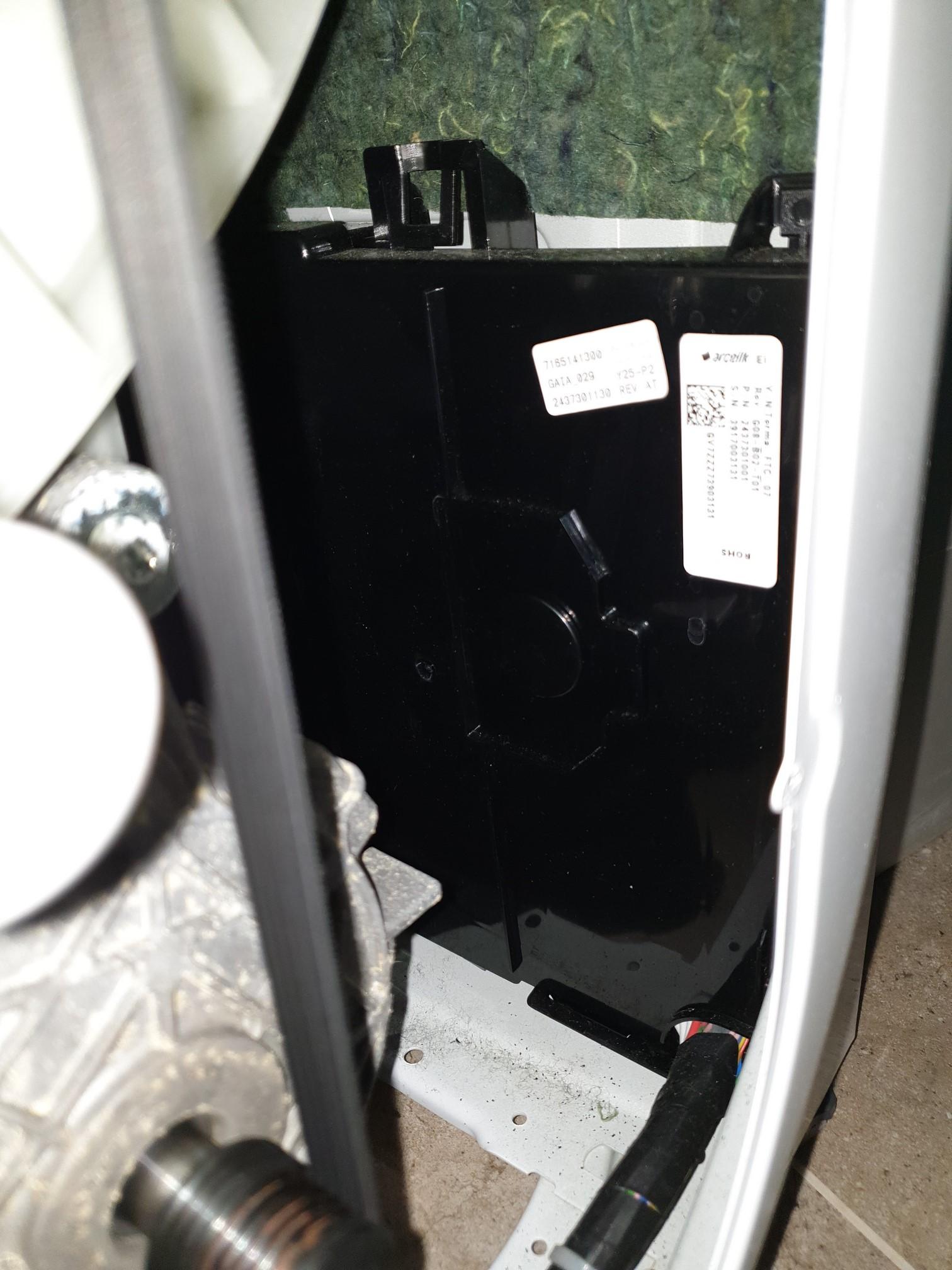
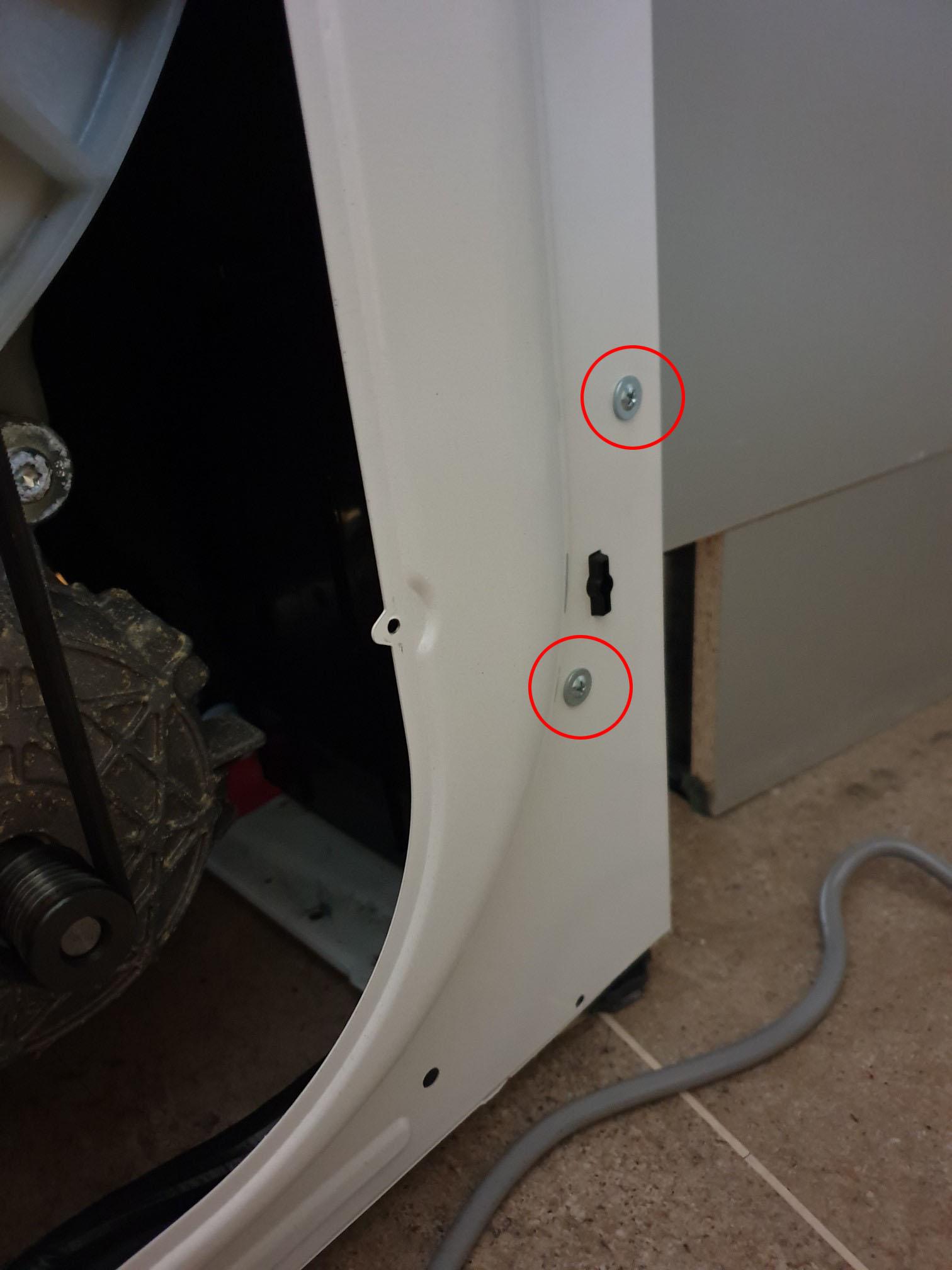
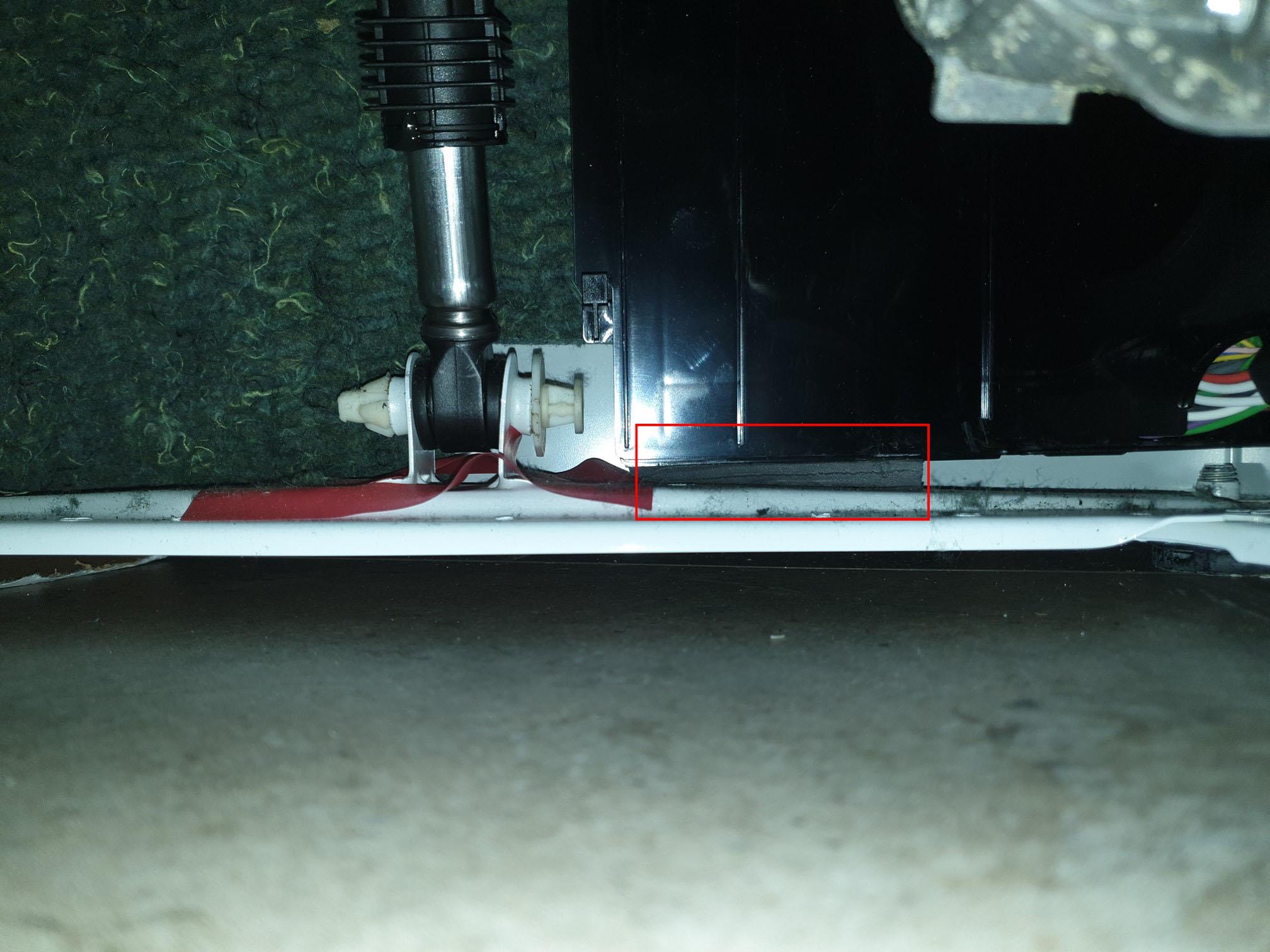
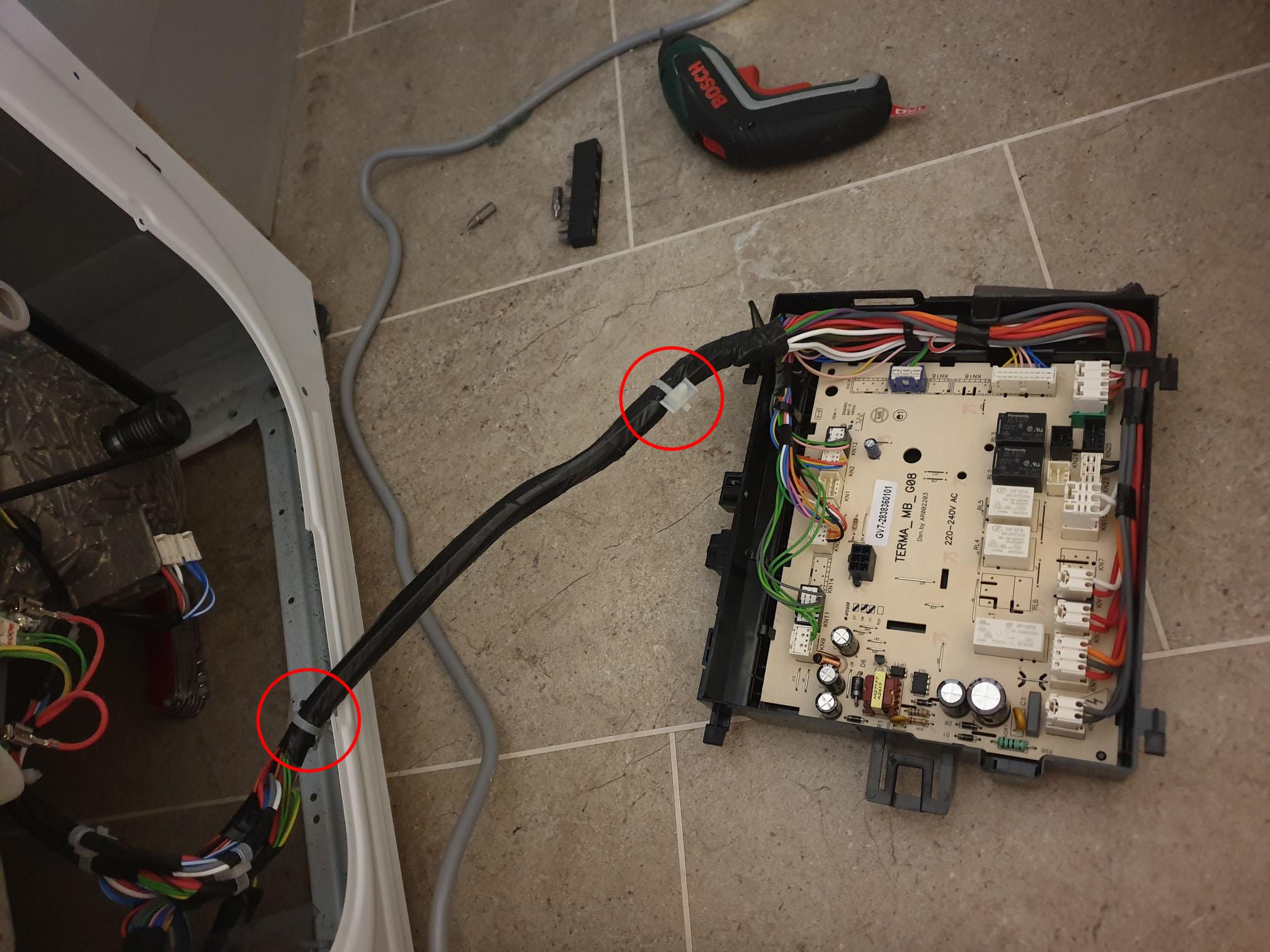
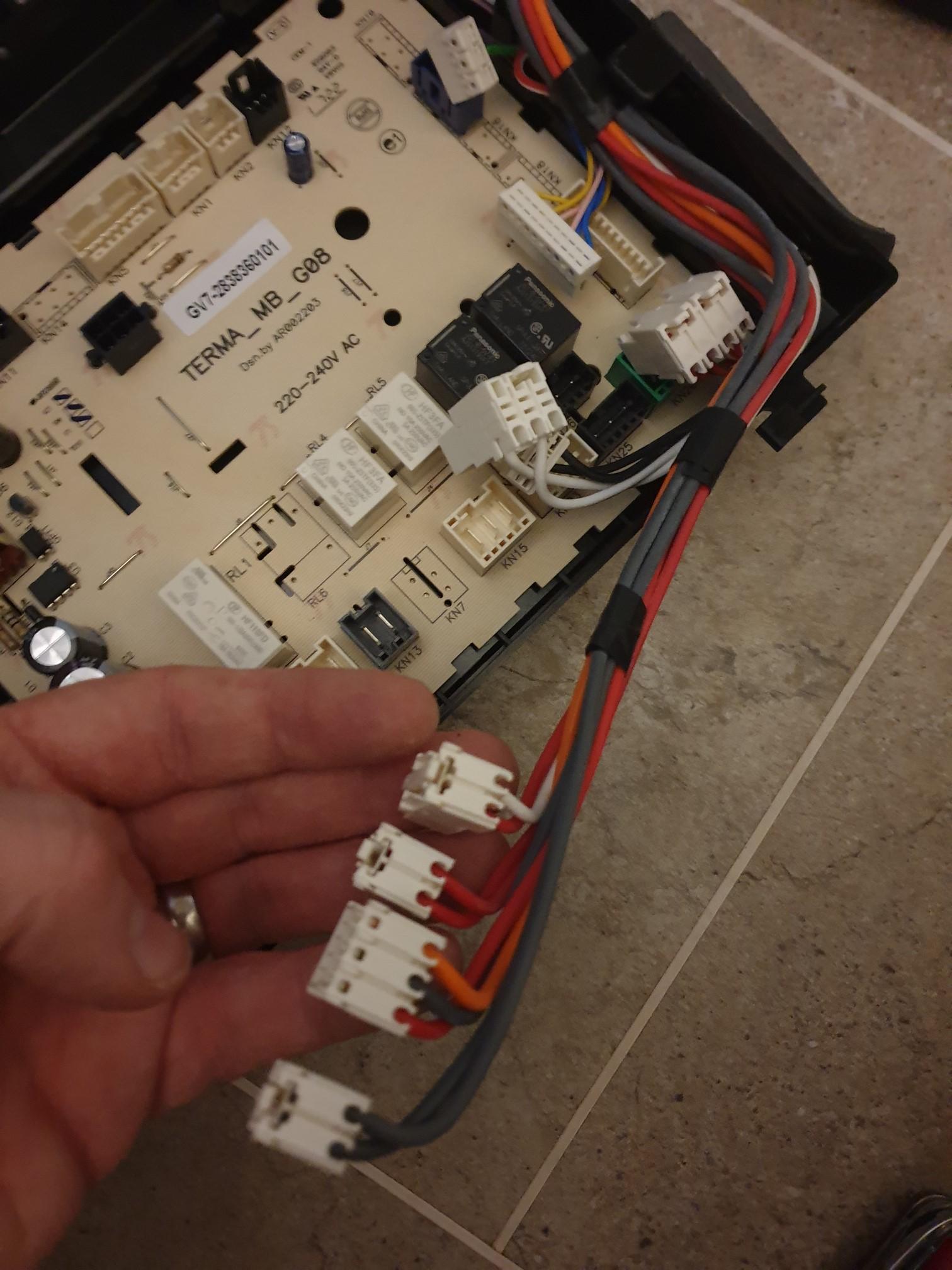
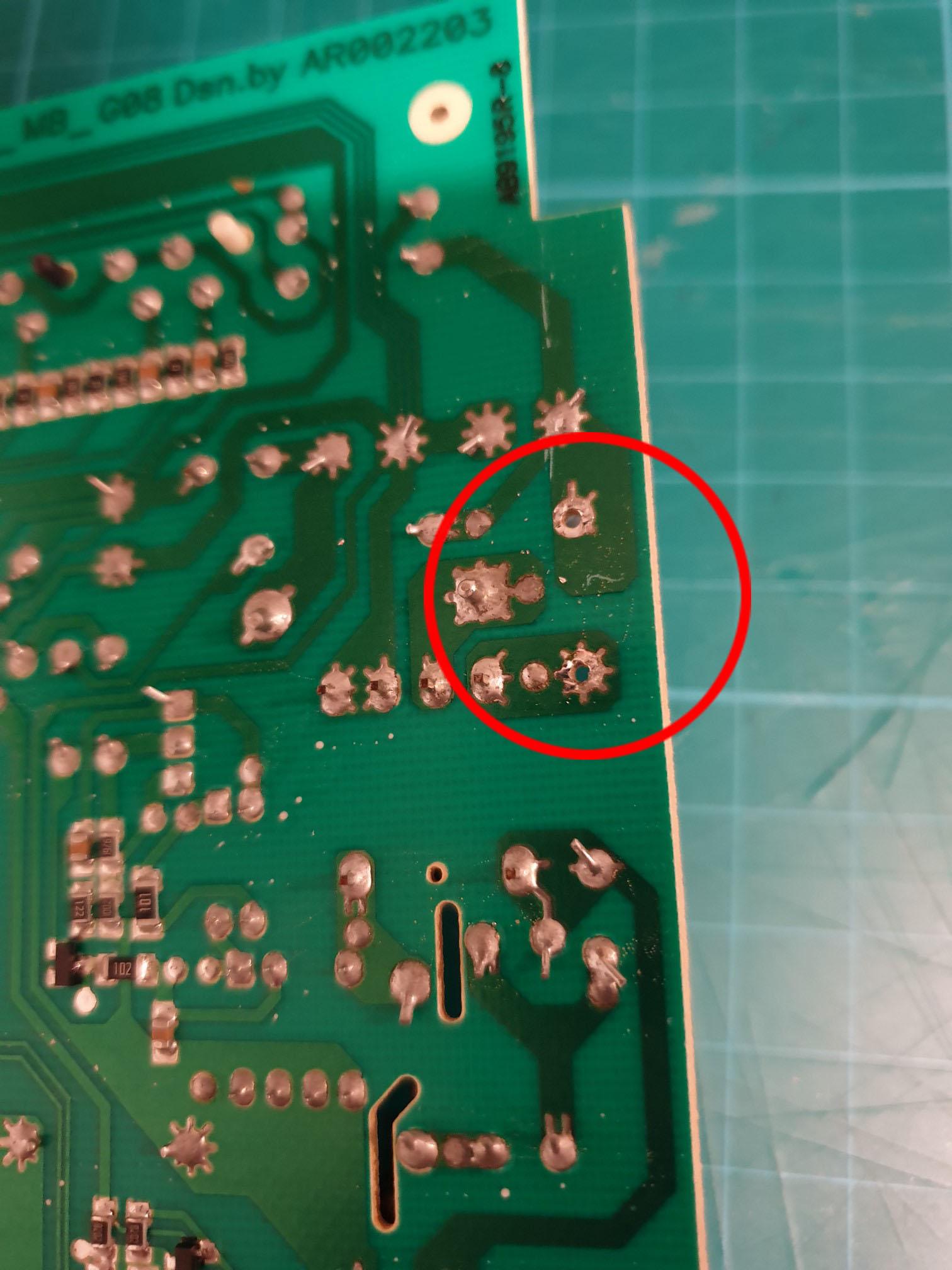
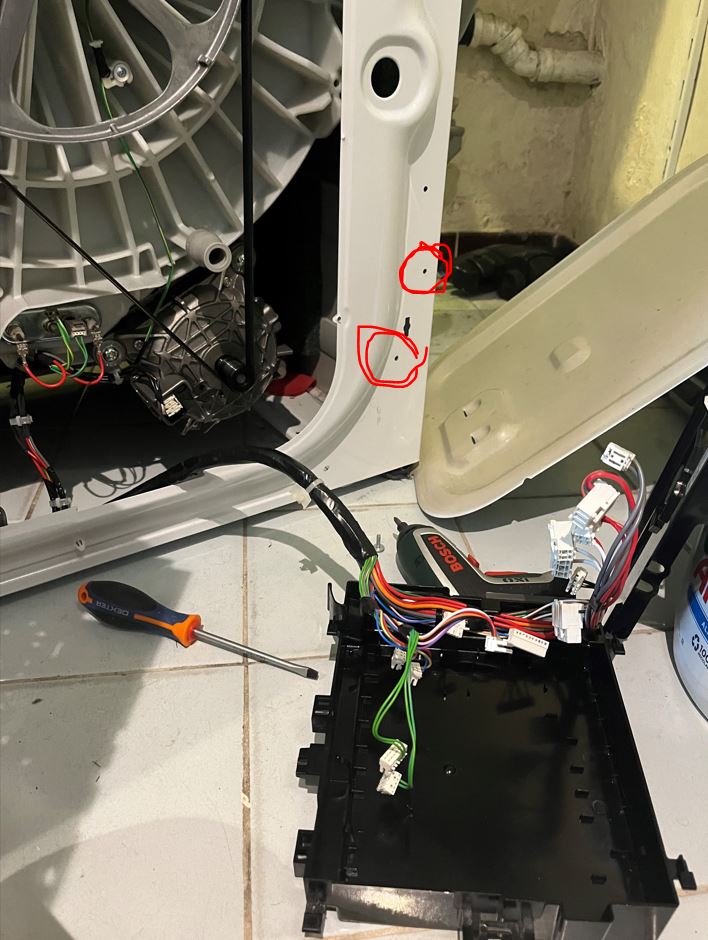
Bob. You beauty. Another rescued machine, so therefore confirmation that it fixes this issue on the Beko WDIR7543101 integrated washer/dryer. I took the liberty of taking a series of photographs, and made a brief guide below. This is just my experience, and I'm not a qualified electrician / white goods repair man, so you follow this guide at your own risk! Cheers, Jon 1. Drag the machine out on some cardboard! Make sure to isolate and unplug the device from the mains, the water and the waste before undergoing any of this work. 2. Remove the 5 screws from the rear The black box is located here at the bottom right 3. Remove these two screws to loosen the box 4. A piece of sticky foam holds it down, so run a knife along it to separate. 5. Carefully jiggle the black box out and make sure you de-clip the cable holders from the machine (circled red below) to allow you to move the box. The front cover just slides off to reveal the board. 6. Now it's out, carefully unplug all connectors 7. Gently lever the board out of the black box # 8. Replace this diode (D7) - see Bobs recommendation. I personally used these. 9. Reverse all of the steps above, and turn on!
4 points
-
Hi there, just came to say that Rob's post above turned out to be exactly what was wrong with mine as well! My washer was only 2 years old and suddenly stopped turning on one day. First I thought it was completely dead but realised I could occasionally hear a very faint beep after plugging it in. A repairman came in and after 20 seconds of poking around with a multimeter at the back of the machine announced that 'the motherboard' was likely broken, wanted to charge me around £115 to fix it (parts + labour) He didn't spend much time diagnosing it so I think he just guessed which board was at fault. Now, Rob did actually update his post a while ago to add a photo of the board as well as further description, but from the comments here it sounds like some people didn't see it? So anyway here is some of the same info again. If you open the machine from the back, it's in the bottom-right corner near the floor, and is the part called "Beko WDX8543130W Pcb Main" on their spares site, should you want to replace the whole thing. The diode in question is D7 - my multimeter beeped when testing it but the others all seemed fine - funnily enough exactly the same diode shorting out for both of us - maybe Beko had a bad batch of them? I'm no electrician so I bought the same diode Rob mentioned: STPS2h100 which is a 100v 2A, the original one was 100v 1A. A soldering iron purchase & few youtube videos on how to replace components on a PCB, and I was able to (carefully) replace the damaged diode, put everything back together, and it's working again! Thanks Rob! Saved me £100, plus I learned a few things.
4 points
-
Definitely tie it up, if you get a partially blocked sink trap, the weight of water backing up the drain hose is likely to make it droop if it is not secured. Had that happen with my dishwasher years ago after we installed a new kitchen. I now have the drain hose secured by a cable tie over a cupboard hook just below the worktop. If the smell doesn't completely go after doing the maintenance clean, you could either use an oxygen bleach (eg Vanish), or a laundry sanitiser product with your regular detergent, or else use a powder detergent that has oxygen bleach in it (most powder detergents do as standard), either of which will kill bacteria in your wash and help clean the machine and rid it of smells.3 points
-

Soap Dispenser Housing plumbing
Whitegoodshelp and one other reacted to MelS for a topic
Late, but I can answer this if you are still curious, because I had the soap dispenser apart on my machine about 10 years ago due to a leak and it not dispensing conditioner (all caused by mould). If anyone gets the same problem, I would recommend using a steamer to clean the compartment rather than taking it apart. The two inlets nozzles form water jets, there's an air gap to three channels that feed the shower holes above each section of the draw, which the jets at the back squirt into, the left jet feeds the right channel, right jet feds left channel, and when both solenoids are open the two crossing jets merge squirting out straight into the centre channel. Electrolux calls their lid the "water conveyer", the bottom of the gap between the inlet nozzles and the water conveyer channels is open, allowing excess water to flow back out of it into the back of the dispenser compartment straight into the drum, bypassing the draw. The blanked off inlet is almost certainly to feed into a fourth channel that feed water into unused holes above where the bleach compartment would be, likely towards the back of the fabric conditioner section on a UK draw. A partial blockage caused by mould in one of the two nozzles at the back of mine was the cause of the leak, it divert the jet and I think caused it to spray over the side of the draw and find its way out of the front and run along the bottom of the plastic facia where the control board sits. Nowadays, I leave the draw open between washes, so the mould problem has gone away.2 points -

AEG - Damp smell after 3 month
Roscoe and one other reacted to andyr12345 for a topic
hi there - when you have sorted out the pipes in the right direction find the hottest and longest wash you can find on your washing machine (or select 'drum clean' or maintenance clean so machines have built in) and run that without any washing in the drum and no detergent or fabric conditioner - the 90'c long wash should hopefully kill all the smelly bacteria and get rid of the damp smell. After the wash leave the porthole door open so the machine can dry out (if fact always leave the door ajar after every wash in the future if you dont already) and wipe the rubber door gasket dry . For the future dont leave damp washing in the drum, as soon as its done its wash take the washing out of the drum immediately for the drier / clothes horse / outdoor line. and do the maintenance (or long hot wash or drum clean programme) at least once a month without any washing in drum and no detergent and fabric softener - eventually the musty damp smell should dis-appear . good luck.2 points -

AEG - Damp smell after 3 month
MelS and one other reacted to Whitegoodshelp for a topic
Hi Roscoe. Yes the drain hoses are badly installed. It's possible that dirty water from the sink could run down the drain hoses into the machines. I would loosen both the washing machine and dishwasher's drain hose connections on the U-bend and turn the spout that the hoses push onto around, so that the spout points upwards instead of down. You will need to pull more of the drain hoses through. The drain hoses need to go up 3 or 4 inches before going down and will most likely need to be tied using string or cable-ties. Ideally the end of a drain hose should be like a shepherd crook that goes up, around and then down. That makes it impossible for any water going down the sink to get up, over and down the drain hoses.2 points -
washing machine door locks
andyr12345 and one other reacted to MelS for a topic
Those thermal catches are really infuriating, especially when you realise you left something out a few seconds after hitting the start button and have to wait two, to three minutes to put it in and continue the wash. I miss the instant lock on the Hotpoint my parents had during the 80s and 90s, never had any problem with the locking mechanism, it was a fully mechanical cable operated lock, with the door release button on the control panel and a "pecker" that pressed against the belt on the drum pulley, so the sprung plastic "beak" would pivot if the belt was moving allowing the cable sheath to move so that the cable wouldn't pull open the door catch, and I think it also had a mechanical pressure linkage for water level. It would only open when the drum was stationary and the water was below the door as I recall, even if the power was off. Ironically the machine was microprocessor controlled. There's an illustration of an instantaneous door lock as used in Electrolux brands as well as for the various other washing machine components in https://tds.electrolux.com/others/599/376/782EN.PDF Uses a solenoid and a ratchet mechanism and requires two triacs to operate it.2 points -
Samsung ecobubble keeps blowing the heating element.
andyr12345 and one other reacted to Whitegoodshelp for a topic
That’s what usually happens, and it causes main fuse to trip. The element is only stopped from touching the casing if the heater by powdered insulation which can break down. Also if the element t gets hit by something that can cause it.2 points -

Samsung Ecobuble Washing Machine stops mid cycle
andyr12345 and one other reacted to DerekH for a topic
So an update on this. Since my sister returned from her break she's been in touch with Samsung and their advice was that the machine needed to be recalibrated as this cleared most problems of this type! So Samsung talked her through the process, no idea what was done or how, and she says the machine has been working fine since she did it. Hopefully it's worked and saved her further expense and me rolling my sleeves up again. Thanks all the advice from both Andy's"! 👍2 points -
Samsung Ecobuble Washing Machine stops mid cycle
andyr12345 and one other reacted to DerekH for a topic
Thanks for the links you posted Andy. I'm more knowledgable now on which hose/pipe is which and where to look for the pressure system. Will have to wait for a few days now as my sisters away until nearer the middle of the month but will take a better look at things and report back. Thanks for the good advise.2 points -
Samsung Ecobuble Washing Machine stops mid cycle
DerekH and one other reacted to Whitegoodshelp for a topic
Hi Derek. No that's not the pressure system. That looks more like it's connected to the recirculation pump and is the hose that is used to pump water back to the top of the drum. I'm not aware of any faults that a blockage there would cause as it would just stop water being recirculated. The smaller dimensional hose at the bottom right that goes into a white plastic tool looks more like the pressure tubing. Check out these 2 articles which will help you understand how it all works Common faults on washing machine pressure system - How does a washing machine control the water levels?2 points -
Another success with the replacement diode D7, this time on a Beko WDIX7523000 washer dryer. Hopefully the repair will last but a massive thanks to Bob12241 for his brilliant instructions anyway. The machine has had very little use but is, of course, out of warranty. Once again, a couple of quid spent instead of £79 for a new PCB. What a result!2 points
-
BEKO WDX8543130W no lights on
andyr12345 and one other reacted to bob12241 for a topic
I also used to do minor repairs on Tv's whilst working at a large multi chain hotel. These had soldered spring links which were thermal fuses, sometimes these would melt then trip the power to the TV. In order to work on them straight away and ensure they were discharged we would short the capacitors with a screwdriver, one loud crack and then they were safe.2 points -
I tried a few things, from clearing filters which mean taking the back off the machine,... Checking for any physical damage on cables and resets. Then it would come to swapping parts but in an old machine that was not cost effective so it has gone to a friend who just uses it as a washing machine.2 points
-
I don’t know if you’ll see this, but I have only created this account to thank bob12241 for his advice regarding a Beko washer/dryer having no power, specifically regarding replacing the D7 diode. I have literally no experience in electronics but I bought a cheap soldering kit and a diode (watched some YouTube videos as well) and now I have a washing machine that works. You are an absolute legend! You saved me a lot of money that I don’t have. You have my sincerest thanks, Mike2 points
-
Not a question, this is a result that I found that might help someone. I have the above washer dryer that wouldn't fill when a programme was started, the drum turned as if in a cycle. This would happen with any programme that I turned it onto. I was at my wits end and nearly was thinking of buying a new machine. I then remembered somewhere about resetting the machine memory by pressing the 'Start/Pause' button continuously. I watched the LED light cycle through green then amber then back to green again. When I started a programme again the water filled as normal. I don't know if this works for other makes of machine. So again: 1. With the washing machine on, press and hold the 'start/pause' button and watch the LED light cycle through green then amber then back to green again. 2. Start your programme as normal. I hope this can be of use to someone, I'm not sure if this is the right place in this forum to put this, or if this has been posted on this forum before, apologies if this is so.2 points
-

Excessive lint/dust on clothes after washing
Louise1305 and one other reacted to Shazzer for a topic
Have you tried reducing the spin it really helped for me. Now spin at 800.. higher the spin the more lint was over the clothes. Higher the spin was like it was shredding the clothes. So washed everything with 800 spin then tumbled it and it reduced lint loads2 points -

New washing machine leaving black marks on clothes
andyr12345 and one other reacted to Sim for a topic
I often wash my whites on 60 degrees and always find black streaks on one or two items (comes off with vanish). I followed advise from one of the comments on this site and lowered the rpm speed to 1000. It’s done the trick - 60 degrees on 1000rpm and finally not a single black streak to be found!2 points -
(It is a terrific forum, isn't it!) I found it was mostly my cotton things: t-shirts, sheets. I suspect it has to do with the nature of those threads to grip and stretch while spinning? Not an engineer, but I'm sure there's a scientific explanation. I don't have it in me. I'm still mark-free by reducing spin speed to 1000rpm (from default 1400) every wash.2 points
-
My LG front loading washer & sdryer are and have been giving me the same headache. Thanks all for this great forum. some particulars: 10 year old W/D machines in great condition. No black gaskets, seals, door liner or anything. Black streaks on pullovers that look like they're caused by rubber or plastic being scrapped on the cloth. There are no smudges. It ONLY happens to my polo type pullover shirts - except 1 time: when i had a tee shirt in with the polos and it got streaked. The polo shirts are always small loads. And it doesnt happen every time but often. but I often run an extra spin dry in the washer! - maybe the culprit. It has never happened with any 'regular' load, colors or whites, which are usually larger loads. I am going to apply the rotation speed fix and i have a feeling that'll do the trick. Thanks! I've been puzzling over this for years. Why only my Polos?! What is evident from all the commentary is that it (at least in a certain category of cases) is connected to the human: People mention getting a new machine and it happens again. And it's obviously not a universal problem so not all machines or persons have it happen. I'm going with spin speed.2 points
-

Rubber pieces
andyr12345 and one other reacted to JFM for a topic
OK, thanks for all the replies and it seems like they should be something originally used for transporting the machine, so I don't know how they've been left there for so long! When I did an online search I noticed that most results were to do with cars or scooters and I couldn't really find anything related to washing machines. And yes, they are hard rubber. So, mystery solved. Thanks!2 points -
Hi Markn, I had the same issue till I found out that you have to first unscrew the black box from the side with these two screws:
2 points
-

Strange fault on Bush washer dryer
andyr12345 and one other reacted to bulla for a topic
Update on this: I took the back panel off to see what was going on with the motor. There was a build up of fluff around the commutator and the fluff had carbon deposits on it. It seems like when the motor received high current to start a spin there was a brief short along the fibres to earth. Motor cleaned up and refitted and all good.2 points -
Emergency drain hose lost
Alex072022 and one other reacted to andyr12345 for a topic
ah yeah, colour catchers . i would say they are nasty culprits getting sucked out of the drum and through the pump - I have never used them at all in any of my machines. Its like those tumble drier sheets are supposed to be bad for tumble driers as well, can cause fires if they get caught up in the vent hose or heater of the tumble dryer2 points -
Emergency drain hose lost
andyr12345 and one other reacted to Whitegoodshelp for a topic
Hi Andy. It might be, though I'm a little hessitent to suggest that as it can be precarious. Even as an experienced engineer I've had a few of them fall back on me, or even slip and fall flat on its back. Especially on tiles. I always remember one engineer tipped a washer back against the wall whilst working on a washing machine in a large cupboard, and the washer slipped, fell down the wall and smashed the customers electric meter off the wall 😂 Also a lot of washing machines are sealed off at the bottom now with a base. I would advise it's safer to disconnect washer from plumbing and electrics and carefully lay it on its back if there is no base.2 points -

BEKO WDX8543130W no lights on
jonboyuk and one other reacted to ThanksToBob for a topic
So I just signed up to echo the numerous posts covered in the last 8 pages and feel free to skip but heres my story and thanks... Firstly I want to say thank you to @bob12241for the fix and sharing the results of his hard work. My second and equally profound thanks to @jonboyukfor making it almost (Ill get to that) idiot proof and so easy to follow with the numbered instructions and photos. To both I would be happy to bounce something to pay for a drink or contribute to any registered charity in view of the fact you have saved me a minimum of circa £140 vs machine bought for £382! Now for the story - My following machine - Beko WDIY854310F White Built-in Condenser Washer dryer, 8kg/5kg bought in Sept 2019 literally went dead a fortnight ago. No display no sound no nothing. Usual basic checks of socket/fuse all working fine. Engineers scouted and cheapest local call out was £66 thats not factoring any parts additional works etc hence my estimate above. There was suggestion it could be a mains filter (from one engineer) and then need of a new board (from another) - fair shouts given they had not come by. So I tried scouring the net and and diy posts and bless the admin of this site and google for directing me here... After reading all 8 pages of posts it sounded like I was not alone, so I figured why not have ago given I had most of the bits. I ordered the suggested diode (which seems in short supply) of an auction site (£2.40)! So armed with all I needed and a bank holiday courtesy of the Jubilee, I set to it. The biggest issues I had were getting the board/casing out, theres a slight bit of careful manipulation required. And then desoldering the diode (still not sure why maybe my soldering iron tip/temp maybe just me having an off day). Tested the D7 (after removed) and dead! New (prechecked) on and continuity tests looked good (I am very basic/amateur). Fingers crossed and all repackaged and positioned and moment of truth... wait nothing ... really what **** now what... recheck the basics and a big phew... the plug was not fully engaged in the socket. D'oh (almost idiot proof)... ok lets try again.... and BINGO!! So for the want of a £2.40 diode (I know it can be found a lot cheaper) Beko nearly made me fork out hundreds! Add to it the new board will also have the inferior component likely to repeat the issues in another couple of years! Apologies for the long post but sooo happy I just had to share and pass on my thanks And if BEKO stumble across this (here is another customer lost) - shame on you for not fixing this inherent fault due to a substandard component which I am considering sending back with a cover letter!
2 points -
New Hisense washing machine sometimes bangs on spins
terbe and one other reacted to andyr12345 for a topic
Glad they sorted it for you @terbe - hope you have many years of maintenance free washing now with it ☺️2 points -

New Hisense washing machine sometimes bangs on spins
andyr12345 and one other reacted to terbe for a topic
Update on this: Had a couple engineers arrive today, moment they put it on spin and it sped up the noise could be heard. They pulled the top and front off. All the parts look okay. However there was a few useless plastic clips, one of which was rubbling against the rubber seal so would have worn over time, and also one of the pipes was clipped to the side rather than around the drum. They removed some of the useless clips, clipped the little pipe as it should be. And so far has been normal sounding. They were both complaining about the build quality though so probably not the best. They suspect what happened was on the first wash the drum movements pulled the pipe out of the clip, as it wasn't clipped to the drum, and so that pipe was likely then tapping against the case while it was spinning. There was also some pressure thing that they said used to be screwed in but on this machine is clipped, badly, so they've zipped tied to tighten it up and stop it wobbling about too. Thanks both again, but does look to have been a pipe or other part tapping. There was no visual wear of stuff rubbing and they were not seeing the drum hit the sides either. Was interesting seeing inside the machine though 😁2 points -

Excessive lint/dust on clothes after washing
Emma Roberts and one other reacted to Louise1305 for a topic
Yeah I always sort my washing by colour ie lights, darks, bedding, towels and tea towels separate. I can deal with the visual side of the lint on clothes, my main issue is the big clouds of it flying in the air and landing on everything, I understand I’m never going to eliminate lint completely, I can deal with a certain amount but this is just astronomical. I’m going to go through LG and see how much they quote me to look at it.2 points -
Excessive lint/dust on clothes after washing
Emma Roberts and one other reacted to Whitegoodshelp for a topic
I fully understand, and I do appreciate that money is tight these days for most people and things are getting really bad, but I do disagree that it would be a waste of money. In the sense that if an engineer tests the washing machine (properly) and states there is nothing wrong with it at all, then it has eliminated one of the causes, and advanced the process of finding the cause of the problem. However, whether the engineer could be trusted to test the washing machine and fully understand the nature of the issue is another matter.2 points -
Excessive lint/dust on clothes after washing
Emma Roberts and one other reacted to Louise1305 for a topic
Hi Andy, I’ve seen that article before and tried pretty much everything they have suggested. I am currently washing all my clothes on the gentle cycle now with a less aggressive spin but I’m worried the damage is already done to these clothes. I’m still running everything through the tumble on refresh with no heat to trap some of the lint but getting it all off is proving difficult. I’m going to check some of the M&S clothes and get in touch with them aswell. I don’t know who else would know anything about this issue.2 points -

Samsung Eco-bubble stops in mid cycle with no error code . Model WW6SJ3263LW
andyr12345 and one other reacted to hans for a topic
Hello Thank you for the response The Bubble soak was off. I could hear the motor of the drainage pump, not running water. When the machine stops there is no sound and the display only show the time left, no error code. These symptoms are the same as the symptoms I had last time when a technician diagnosed a faulty PCB. I tried the suggestion to get to the test mode but it did not work in my machine. Since the washer is six years old, with PCB that was repaired twice, and a repaired main motor, I decided to buy a new machine.2 points -
Excessive lint/dust on clothes after washing
Emma Roberts and one other reacted to Louise1305 for a topic
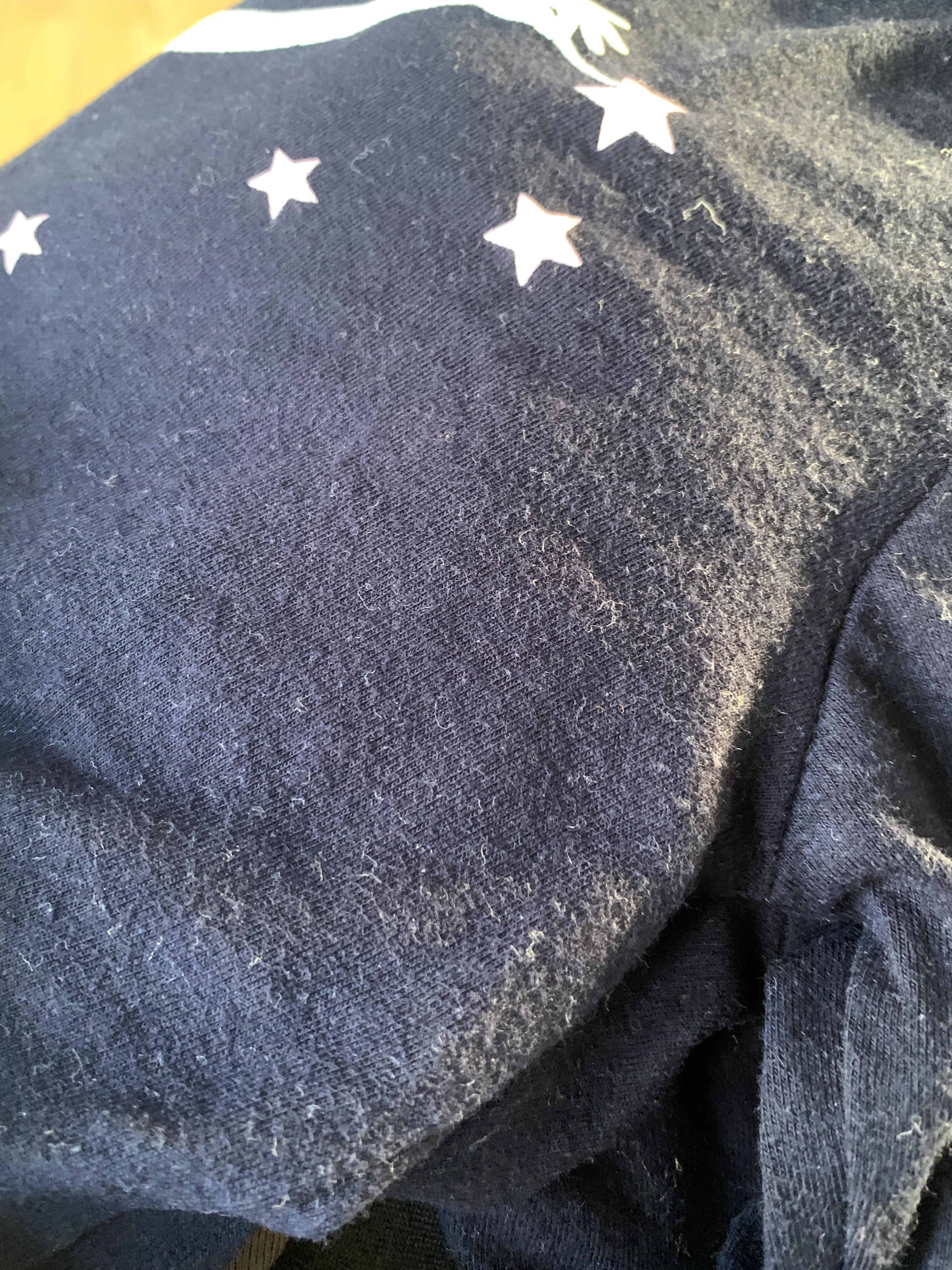
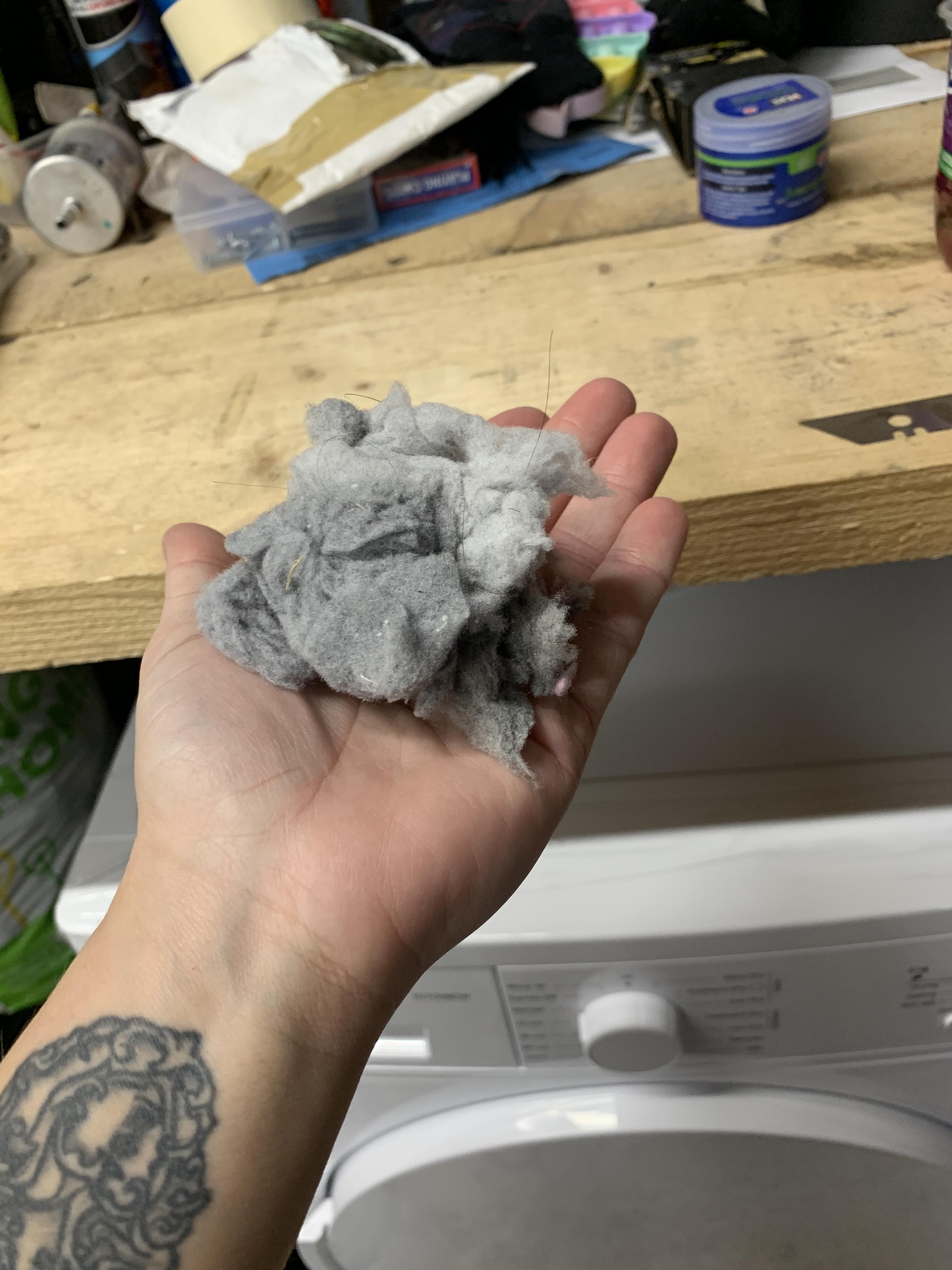
Right so this is a long shot and I don’t know if it’s actually working in the long run but visually I feel like there is a difference. I recently bought a tumble dryer and I have been running small loads in it on the air only setting ‘refresh’ with no heat. If you remember the state of these blue pyjama bottoms recently, well I’ve been using a smaller amount of washing detergent, a tablespoon worth, letting it air dry and then putting the stuff in the dryer afterwards on the refresh mode with a dryer sheet until the lint trap isn’t really collecting a lot of lint. And I think the difference in the photos speaks for itself. The bottom pic is a photo of the lint from the trap from two tiny loads of my children’s clothes. Which I thought was quite a lot considering the amount of clothes that went through the tumble dryer. I still think the carpet is one of the issues so I will be replacing that too but I think if the dryer can get the existing lint from the clothes it will change my life.
2 points -
Excessive lint/dust on clothes after washing
Emma Roberts and one other reacted to Louise1305 for a topic
Yeah I’ll just chuck in a small load of old clothes. I’m going to get some aspirin tomorrow and try it. I have lint rollers galore, the traditional tape sort of one and the reusable ones that you can rinse but unless I do it on absolutely every piece of clothing it just transfers everywhere anyway ie on the sofa, bedding.😩2 points -
Excessive lint/dust on clothes after washing
Emma Roberts and one other reacted to Louise1305 for a topic
I will give that a go, I have a few brushes I could try. I’ve also used a rubber reusable lint roller on it previously and it picked up so much lint. My in laws live two doors down and they do not have this issue, they had a different style carpet from a different shop more recently than mine and they do not have excess lint. My mother in law thinks I’m going crazy, no one believes me how bad it is.2 points -
Excessive lint/dust on clothes after washing
Emma Roberts and one other reacted to Whitegoodshelp for a topic
This is a very frustrating problem clearly. And at least three people can't get rid of it. I just re-read the whole of this thread again. It's a struggle to think of any possible cause that would link all three cases. At least one of them is not a washer dryer, and a washer dryer can cause dry fluff and dust to drop into the drum especially if it is not used very frequently. At least one of them has had the same problem in two different houses, and with at least two different washing machines, so all of the evidence implies that there is no fault on the washing machines. That just leaves two possibilities. That the washing machines are being used in a particular way that allows this problem to occur, or that the fluff and lint is not coming from the washing machine or laundry at all. I just going to go over my thoughts again and spell everything out as best as I can. I hope no one takes this as being patronising. I just want to try and summarise my advice so far. I would expect that even if the lint and fluff was getting onto the laundry from an external source then a washing machine should be able to get rid of it as long as it is being used a hundred percent correctly. Some washing machines are actually not very good at washing. Which? often give very poor scores to washing machines because they are rubbish at washing. So it's possible that if someone has a particularly difficult problem and they have a washing machine that is not very good at washing it may not be able to cope with it. So one thing I would suggest is that anybody with this problem have a good look at Which? washing machine reviews to see if it has been tested by them and what results it got. If you are not a which member and you are suffering with this issue please post your washing machines brand and model number and I can have a look to see if there is a review available which may or may not be useful. So as I said before a few times, anyone with this problem should ensure that they are not overloading the drum, and by that I don't mean either putting anything in. On the contrary laundry doesn't get washed is clean if there isn't enough laundry in the drum to be constantly rubbing against each other. So drum needs to be filled reasonably full in order to be economical and efficient. When I say overloading I am referring to negligently overloading. That is cramming the drum so full that the whole of the laundry just revolves in one big lump. There needs to be space inside the drum so that when the drum turns, and the laundry is taken to the top of the drum it can fall from the top. I've posted a link to a much more detailed explanation on loading the drum at least twice previously in this thread. After overloading, it's essential to be putting the laundry on the proper wash cycle that is indicated on the wash labels and not to engage any options that cut down the wash time. So for example if they are cottons and the label says to wash it 40° cotton cycle then that's the cycle it should be washed on. Even if this cycle takes two or three hours it should be stuck to. The wash cycles these days do take a long time because of restrictions in the amount of water and energy that modern washing machines are expected to use. In order to compensate for being more environmentally friendly they have to wash for much longer periods of time to get the same results. They do have quick wash programs and options but essentially they are next to useless unless you are putting something in there that is virtually clean anyway. So any options that cut down the amount of time taken will compromise the wash result. It may be perfectly okay for many people but if you have got a specific issue with laundry not coming out of the washing machine totally clean and covered in lint and dust you need the washing machine to work as hard as possible Then finally we have the detergent. Make sure that you use a good quality powder detergent. My wife uses surf and has done for years. But again, try checking on Which? reviews. They also review lots of detergents and test them thoroughly (why subscribe to Which?) At the end of the day this problem is either something to do with the washing machines (either some weird fault or the way that they are being used) or not. So it's essential to eliminate the way they are being used as part of the process of getting to the bottom of it. If you try everything I've suggested and still have the problem then at least you have completely eliminated several of the possible causes but hopefully you might find it makes a difference. A final suggestion would be that if you have family or close friends that do not have this problem maybe it might be possible to have them wash something a few times consecutively to see if the issue remains or disappears?2 points -
Hi! Just made an account to post this having been searching all day for a fix to this problem, and I think I found the solution! The large dial where you choose which cycle you want gets clogged up with dust and grime and so when you start the machine it thinks you are trying to move the dial and responds with the beeping! The solution to this is give it a bit of a wiggle if you’re mid cycle until the beeping goes away. Then when the cycle has finished, turn off the power and spray a little water on the dial and give it a good clean. Try and use a cotton tip or something to really get in there and loosen up that dust. This solution may not work for everyone, but did for me! Good luck!2 points
-
Hi John2005, I checked ebay and found the diode first on the listings at £1.80 each. A little dearer but still cheap for the repair. You can search for any Schottky diode rated at 100v 2A in the same package (inline). It is also on Amzon delivered Oct 7th for £1.85 and £3.35 pack of 5 delivered Oct 7th also. Whilst they state the delivery time I have found that they generally tend to be a little quicker than that. If you were to book an engineer then you could have similar waiting time and then they would have to order any component that needs to be replaced, guessing at 4 or 5 weeks overall. If you go for a higher rated diode then the packaging may be slightly bigger and then you could have problems mouinting it plus the leads may not go through the holes. Regards Rob2 points
-
Hi all, I had the "black streaks" problem for a long time and had unsuccessfully tried all the tips mentioned above but finally found a solution about a year ago. If you ensure that in the spin cycle, the Rotations Per Minute - RPM - is always below 1100 RPM, then there'll be no more black streaks. It seems the agitation of a really fast spin cycle (in my case, a Miele where 1600 RPM is the standard setting on the cotton cycle) either projects any black gunk onto the clothes from crevices in the machine or propels the clothes into the crevices where the black gunk is. I now choose a cycle that has a lower spin RPM or manually turn down the number of RPM to 1000 or 1100 per minute. It's an extra manoeuvre each time, but it's better than the dreaded black streaks. Obvs you still have to clean rubber rings etc fairly regularly. Hope this helps2 points
-
Hi to all, Thanks to Bob I managed to find the same problem on my washer-dryer Beko ProSmartInverter WDR7543121S which was about 32 months old. The problem occurred when my washer was disconnected from water supply and my wife tried to start it... after that washer just didn't started again Luckily I had a Multimeter with a diode testing function ( which I never used it) and the problem was easy to find. I tested all diodes on the board D6 and D7 were faulty (D6 is 5A 100V). D6 showed faulty on the board but when I took it off it looked fine, anyway I ordered and replaced both, washer is working fine. Such a shame these days nobody wants to repair anything, it is all about consuming and the parts have some crazy prices... Thanks Bob!
2 points
-

BEKO WDX8543130W no lights on
All123 and one other reacted to Curses-Upon-Beko for a topic
bob12241 should be given some kind of knighthood or award or something. 17th December 2020 and his original post is STILL helping fix Beko Washing machines. Mine died. I followed bobs advice and posts. And now my washing machine is working again. I've made an imgr album containing photos from my experience. https://imgur.com/gallery/yMotcyY Bearing in mind that I haven't soldered anything ever, and I was able to fix my machine.2 points -
In case anyone needs to order replacement diode: Supplier Farnell, Item Code 2849663 Description: STPS2H100 SCHOTTKY RECTIFIER, 100V, 2A, DO-204AL2 points
-
Happy my post is still helping people, but cannot stress enough don't do it if you are not confident and always remove the power by unplugging, as this test can and must be performed without power. Maybe this posting will eventually leak back to BEKO. To member "Beko", your name did confuse me slightly as I thought BEKO were thanking me (very unlikely). bob122412 points
-
Bob12241 you are a superstar! Same failure with my machine at a mere 18 months old. Like yourself, I'm not intimidated by the words "No user serviceable parts inside" but upon examination I couldn't find any obvious scorch marks that would indicate a failed component. As I live on a boat where the power is kinda dirty I assumed that the IC had failed from one too many surges or brown outs or that I had been merely unlucky since nobody else seemed to have experienced the same failure. Currys wanted me to get an engineer in to certify the machine was broken before they'd send another one out to repair the machine - they said they'd pay for the engineer call out but the consequential loss of earnings from spending two days at home waiting for engineers was greater than the price I paid for the machine in the first place, not to mention the fuel for the 40 mile round trip to Mum's to do laundry while I waited for this glacial repair programme to execute. So I ordered a new brain from Beko and fitted it myself - problem solved until last week when it happened again! This time round your magical, actual fix was now on the interwebs. I ordered a new diode which I have just fitted and now my machine is happily gurgling away in the corner. The saga will not end here. I shall be writing a stern letter to Beko demanding a refund for the board which evidently was just as defective as that originally installed in the machine. Another shall be going to Currys berating them for their ridiculous repair procedure and also informing them that this is now a known fault with this model of machine. I'll be demanding compensation for the time I've had to invest in fixing what should have been their responsibility - well if you don't ask you don't get. All the best and Merry Christmas! Driftpin.2 points
-
Not sure what happened there, tried attaching a pic to this post and it only posted the pic. HI. I bought a new spider arm and new bearings, even though they both looked fine, as I couldn't see what else it could possibly be. however on stripping the machine down, when I removed the motor, I discovered two of the rubbers that hold the motor to the drum, had disintegrated. With the motor in place, I couldn't see this, I suspect that was the problem, hence at slow speeds the motor wasn't rocking but was at faster speeds. The spares companies and Samsung (emailed them to check) do not sell these rubbers separate from the motor (complete con), they probably come in a box of 500 for about £5. I read on a forum somewhere about someone having Samsung out under the warranty and they replaced them so they must have them as spares. I bought a couple of round rubbers at a local motor factors that were similar in size, fixed them to my drill by putting a bolt through them, then turned the drill on and held it against a belt sender, that sanded them down, keeping them perfectly round. It was a struggle getting them into the holes (used washing up liquid and brute force) Machines been perfect since, and I honestly think I wasted money replacing bearings and spider arm, I suspect the rubber on the motor was the cause all along. I would remove your motor and check the rubbers before doing anything else. Attached a pic showing the rubber in the motor. The red arrows point to one washer going through the motor bracket, when I removed the bolts, instead of the rubber going right through, all I had was what looked like two round washers as the inside had totally turned to dust. So you can look at it without removing the bolts and it looks like the rubbers fine as you still see both sides, it's not until the bolts are removed that you see the middles turned to dust. Hope that's of some use. The spider arm cost me £85 delivered, I got the bearings at a local bearing company for about £7 (instead of the £25+ the washing machine spares companies wanted online) , and I bought a new bearing seal seal for £16 delivered, my thinking being it should now last me many more years. I had to take the plastic drum apart to do this, and while the seal between the two halves looked fine, I also spent about £5 on sealant that I put over the seal to make sure I had a water tight drum. In addition to this I had to buy thread locker for another £7 (got the one in a lipstick kind of dispenser so ave loads left for another use) and had to give my local exhaust place a drink for them removing the nut holding the spider arm on with their air tools as I couldn't budge it So I ended up spending about £135 on parts, plus an annoying £12 on phone calls to Espares (they said it was 5p a min, not sure how it worked out at £12, but I'm not alone in being hacked off at this, wasn't going to phone them to argue). My presumption being that hopefully the machine lasts just as long again. But again I THINK I wasted most of it and all I needed to do was replace the motor rubbers. Note, most, if not all the internet spares companies are the same company under many different names. I phoned three times, once to enquire about the spider arm and once to enquire about the rubber for the motors. . Once I was was cut off wile on hold, hence my 3 calls. I was not impressed to find the calls cost me £12, so I wouldn't recommend phoning them under any circumstance.2 points
-

Bosch WAQ284S0GB Soap Drawer Leak On Hot Washes
Whitegoodshelp and one other reacted to bkw for a topic
Many thanks for your reply, Andy. The problem has been resolved itself now without the need for an engineer's visit. The temperature in the kitchen is cold at 14 degrees. We have run three more 90 degree washes with the load being fuller each time and have observed the steam and condensation produced being less each time. As mentioned previously the apparent problem was initially when the installation engineer telling us to run a cleaning 90 degree wash on an empty load which produced considerable amounts of steam and condensate. Running a full load at 90 degrees still does result in much less steam being produced with a few drops of condensation from the bottom of the soap drawer. I think we can live with this. Thanks again for all your help. William2 points -
Can I use washing machine with no hot water available?
andyr12345 and one other reacted to Whitegoodshelp for a topic
Yes. It will just heat it up as needed. If it’s a hot and cold fill washing machine then as long as water is connected and able to go into the hot water hose and valve it doesn’t matter if it’s hot or cold.2 points -

Beko WMI71641
Whitegoodshelp and one other reacted to spadge007 for a topic
Thanks for your reply, I think you are correct. I have checked to ensure that there no blockages from the pump all the way to the drain and capped off the tube. We did two loads of washing and had no problems with the machine draining or water coming out of the drain hose.2 points -
Hi yes, I just replaced the pump & housing2 points










Book Appliance Repairs
Buy Your appliance Spare Parts
Need appliance spares? - Buy spare parts here